Confidence Clothing: A Simple Style System That Works
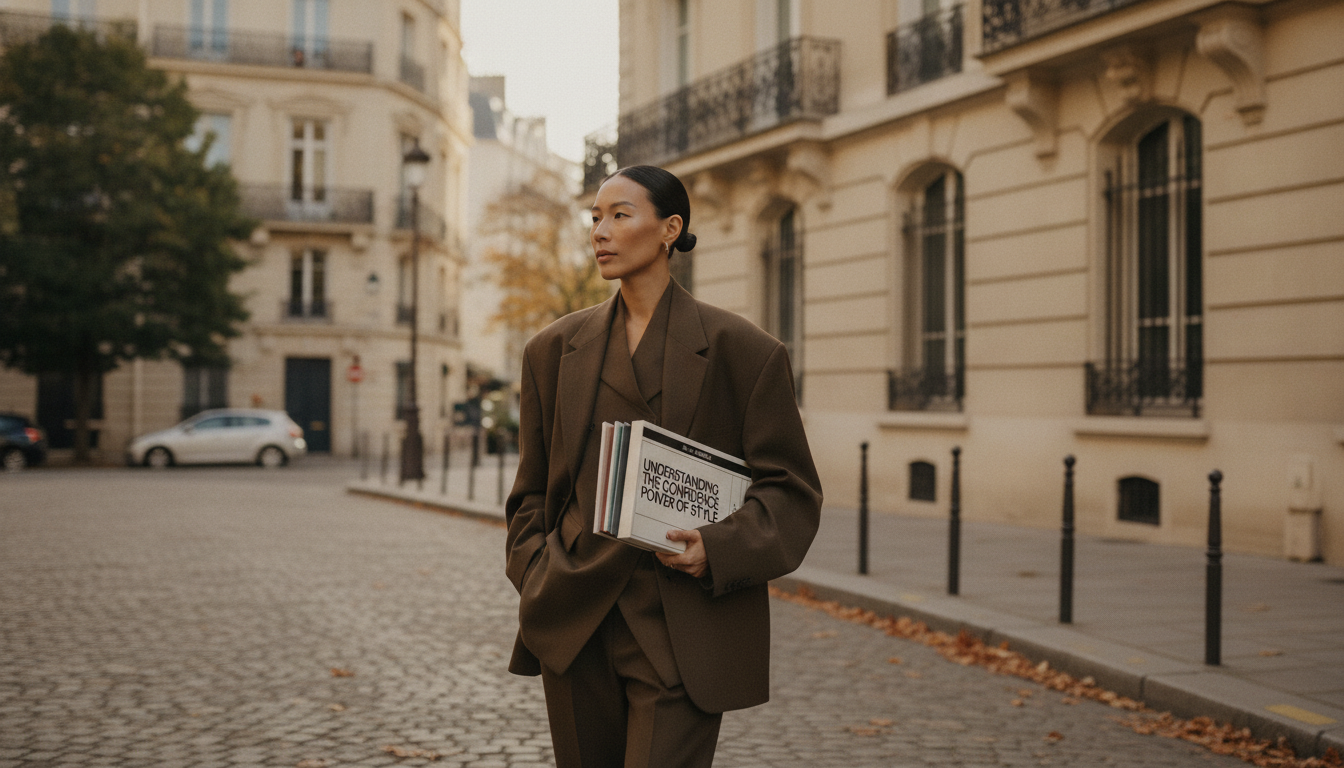
Understanding the Confidence Power of Style: A Practical System to Feel Better in What You Wear
Confidence and style are closely linked: what goes on the body can shape posture, mood, and how prepared someone feels for a day. When getting dressed feels simple and supportive, it becomes easier to focus on conversations, decisions, and goals instead of tugging at sleeves or second-guessing choices. Below is a practical, repeatable way to use “confidence clothing” without turning style into a stressful project. For more guidance, see Confidence is Key: How a Personal Stylist Can Boost Your Self ….
Why Style Can Change Confidence So Quickly
Clothing works like a set of cues for the brain and body. Small signals—like structure, fit, and color—can shift how grounded, capable, or energized someone feels within minutes. For further reading, see Styling the Self: Clothing Practices, Personality Traits, and Body ….
- Clothing acts as a cue: A sharper silhouette can feel more “ready,” while softer pieces can feel more approachable and calm.
- A frictionless outfit reduces decision fatigue: When the outfit is already solved, there’s more mental bandwidth left for work, social situations, and the unexpected. (Decision fatigue is a well-documented concept; see Britannica’s overview.)
- Alignment changes behavior: When appearance matches identity (who someone is—or wants to be), behavior often follows: standing taller, speaking up, and showing up with more ease.
The Psychology Behind “Confidence Clothing” (Without the Hype)
Confidence clothing isn’t magic, and it isn’t about looking perfect. It’s about meaning, comfort, and consistency.
- Enclothed cognition: What is worn can influence attention and self-perception when the clothing carries meaning (for example, “this is my presentation blazer” or “these are my get-it-done boots”). Read more in the original research summary: “Enclothed cognition: the psychological influence of clothing”.
- Self-concept consistency: Confidence rises when outfits match personal values, lifestyle, and roles (creator, manager, parent, student, traveler).
- Social feedback loops: Better fit and intentional styling can lead to warmer interactions, reinforcing positive self-assessment over time.
Style Elements and the Confidence Effect They Often Create
| Style element | Common confidence effect | Simple example to try |
|---|---|---|
| Fit that matches movement | Less self-consciousness, more ease | Sit, walk, reach test before committing |
| Structured pieces | More authority and focus | Blazer, crisp shirt, tailored trousers |
| Color with intention | Mood lift or steadiness | Wear a signature neutral + one accent color |
| Texture and quality cues | Feeling “put together” quickly | Knitwear, leather, linen, or well-finished basics |
| Grooming and finishing touches | Closure and readiness | Shoes, belt, jewelry, or a neat hairstyle |
A Confidence-First Style Audit: What to Keep, Fix, and Let Go
A closet audit becomes easier when the focus is physical and practical: how items make the body feel, not just how they look on a hanger.
- Start with comfort signals: Pinching, pulling, slipping, or constant adjusting quietly drains confidence throughout the day.
- Sort into four piles: “Instant Yes,” “Needs Tailor/Repair,” “Not Me,” and “Occasion-Only.”
- Identify repeat offenders: Scratchy fabrics, awkward necklines, shoes that shorten stride, waistbands that distract, or pieces that require special undergarments you never want to wear.
- Create role-based winners: Choose one “hero outfit” per role (work, casual, social, active) so there’s always a reliable option.
Tip: If an item requires three separate fixes to feel right, it’s often cheaper—emotionally and financially—to let it go and replace it with a better version later.
Building a Personal Style Formula That Works on Real Days
A style formula prevents the “nothing to wear” spiral by making choices repeatable. Think of it as a simple recipe, not a rigid uniform.
- Use a 3-part formula: silhouette (shape), palette (colors), and finish (accessories/grooming).
- Optimize for low-energy mornings: The best formula creates outfits quickly even when time is tight.
- Add confidence anchors: Keep one piece that reliably boosts mood (great jeans, a sharp jacket, a flattering dress, sneakers that make you feel fast).
- Plan for context: Climate, commute, sitting vs. standing, and social setting matter as much as aesthetics.
Example formula: straight-leg jeans or tailored trousers + fitted tee or crisp button-down + one structured layer (jacket/cardigan) + clean shoes + one “signature” finishing touch (watch, hoops, or a belt).
Style Practices That Strengthen Confidence Over Time
Confidence builds when style becomes a system. The goal is fewer surprises and more “I’ve got this” days.
Using a Digital Bundle to Turn Style Insight Into a Routine
For a structured approach, explore Understanding the Confidence Power of Style | 10-in-1 Digital Bundle.
- Winter Survival Skincare Tips Bundle | winter skincare routine 3-in-1 Digital Guides
- One Bag, Two Weeks, Zero Stress – How to Pack a Carry On for Two Weeks
FAQ
Can clothing actually improve confidence, or is it just superficial?
Clothing can improve confidence by changing comfort, readiness, and self-perception—especially when an outfit fits well and supports the day’s role. It’s a practical tool that can reinforce confidence, but it doesn’t replace skills, preparation, or self-worth.
What if personal style feels inconsistent from day to day?
Inconsistency is normal—energy, mood, and schedule change. A flexible style formula, a tight color palette, and role-based “hero outfits” make it easier to choose something that fits the day without forcing one fixed look.
How can someone look more put-together without buying a whole new wardrobe?
Start with fit, tailoring, shoe condition, and grooming, then rely on simple finishing touches like a belt or jewelry. Closet auditing and a small set of outfit templates usually create a bigger upgrade than impulse shopping.








Leave a comment